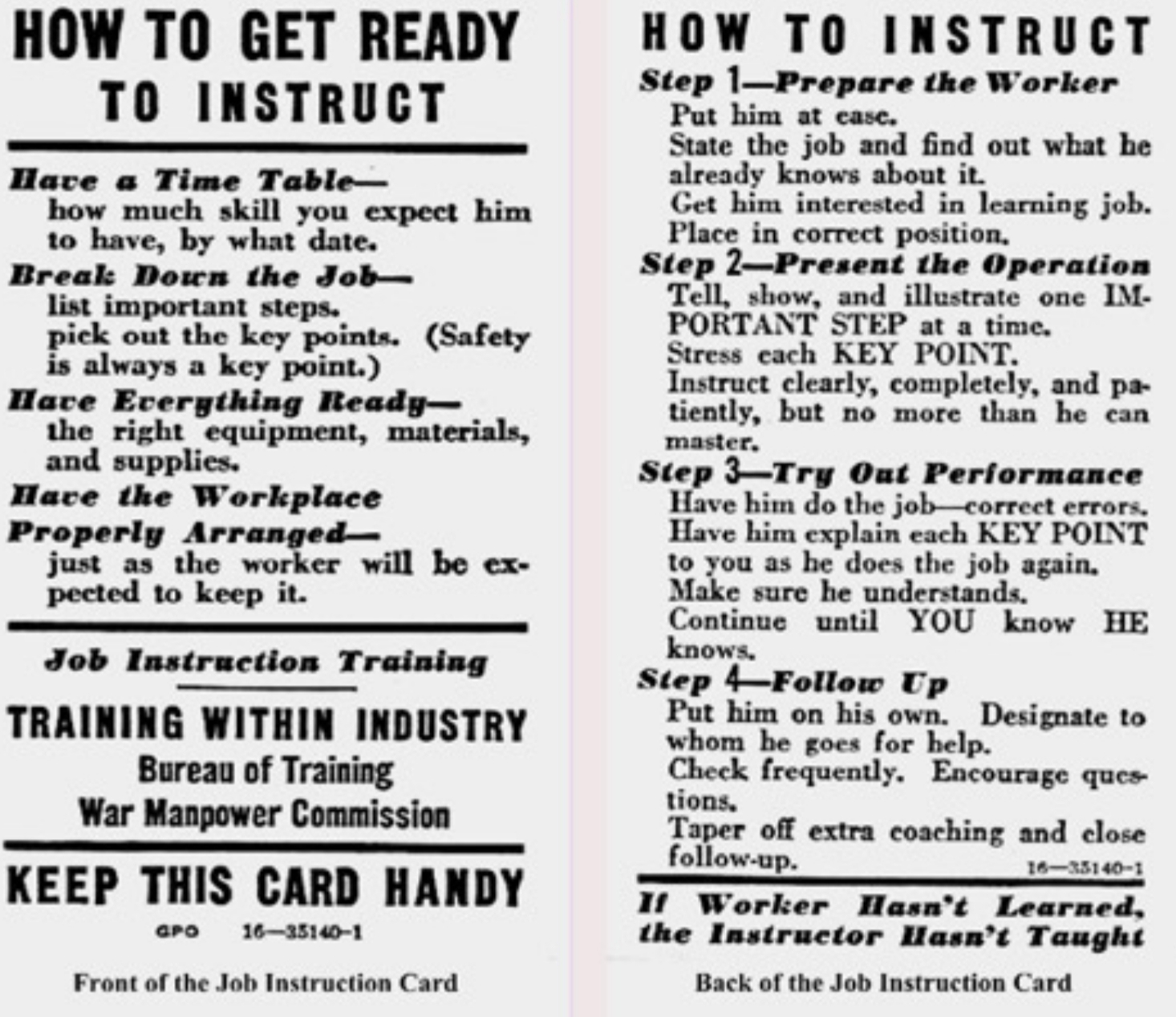
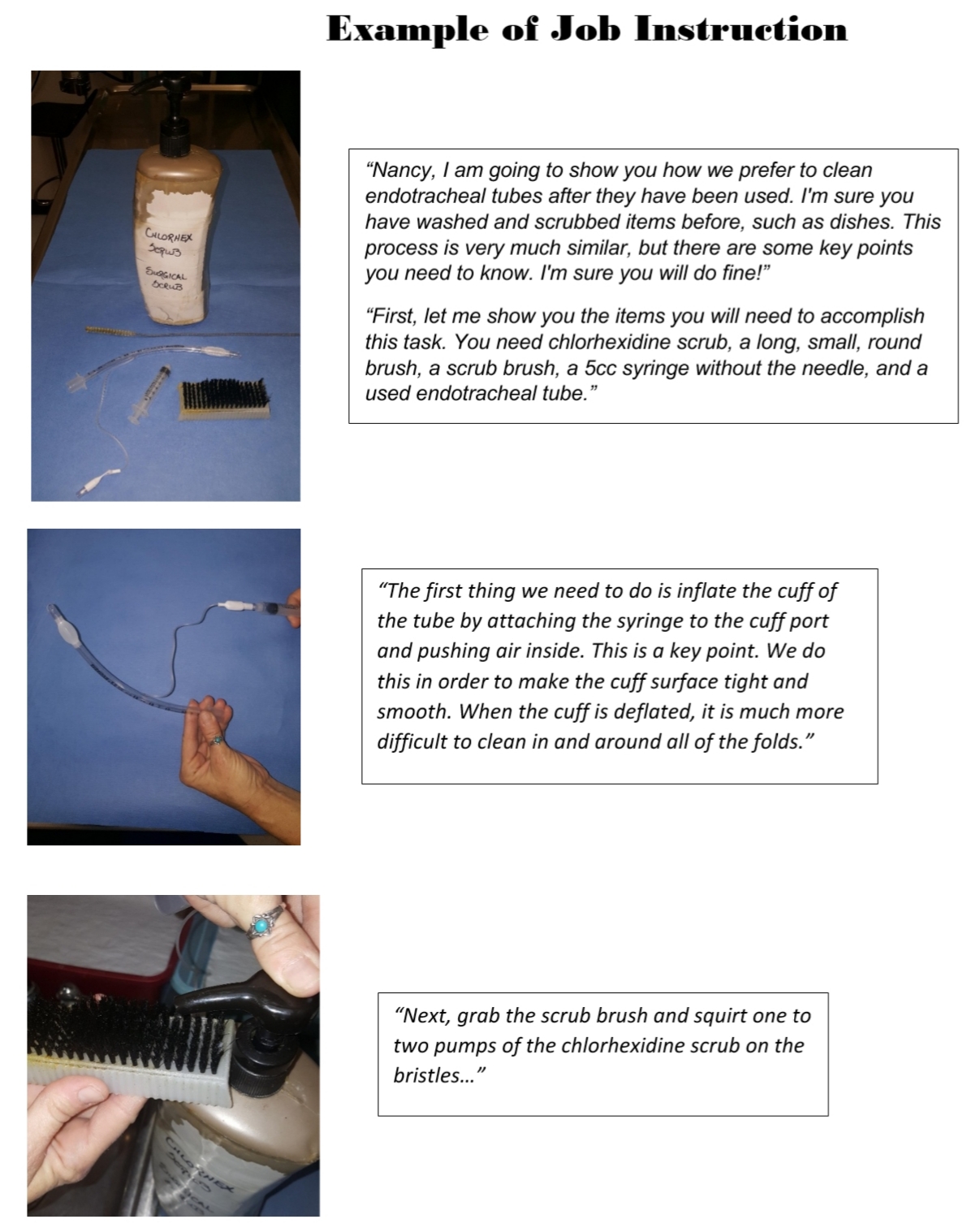
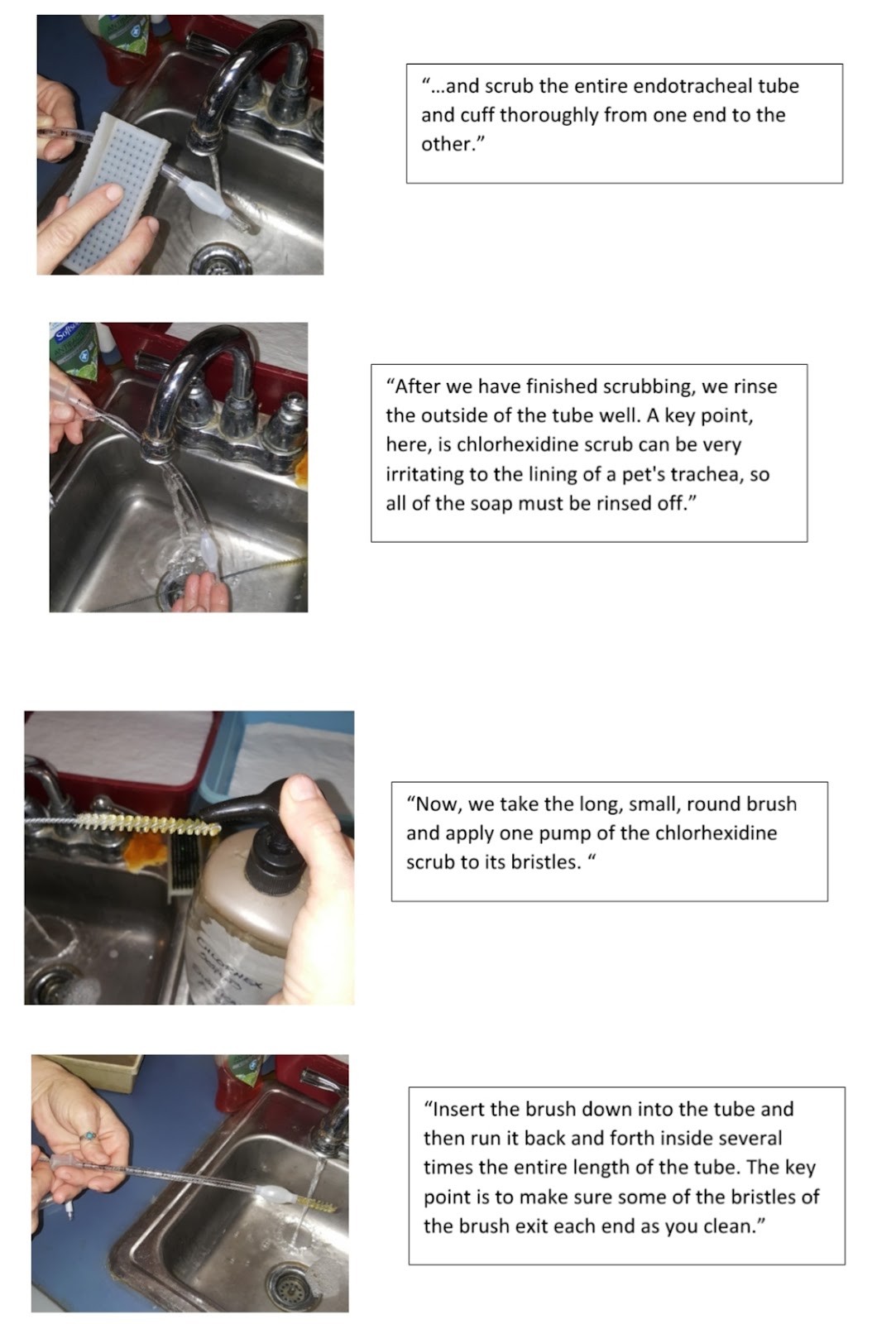
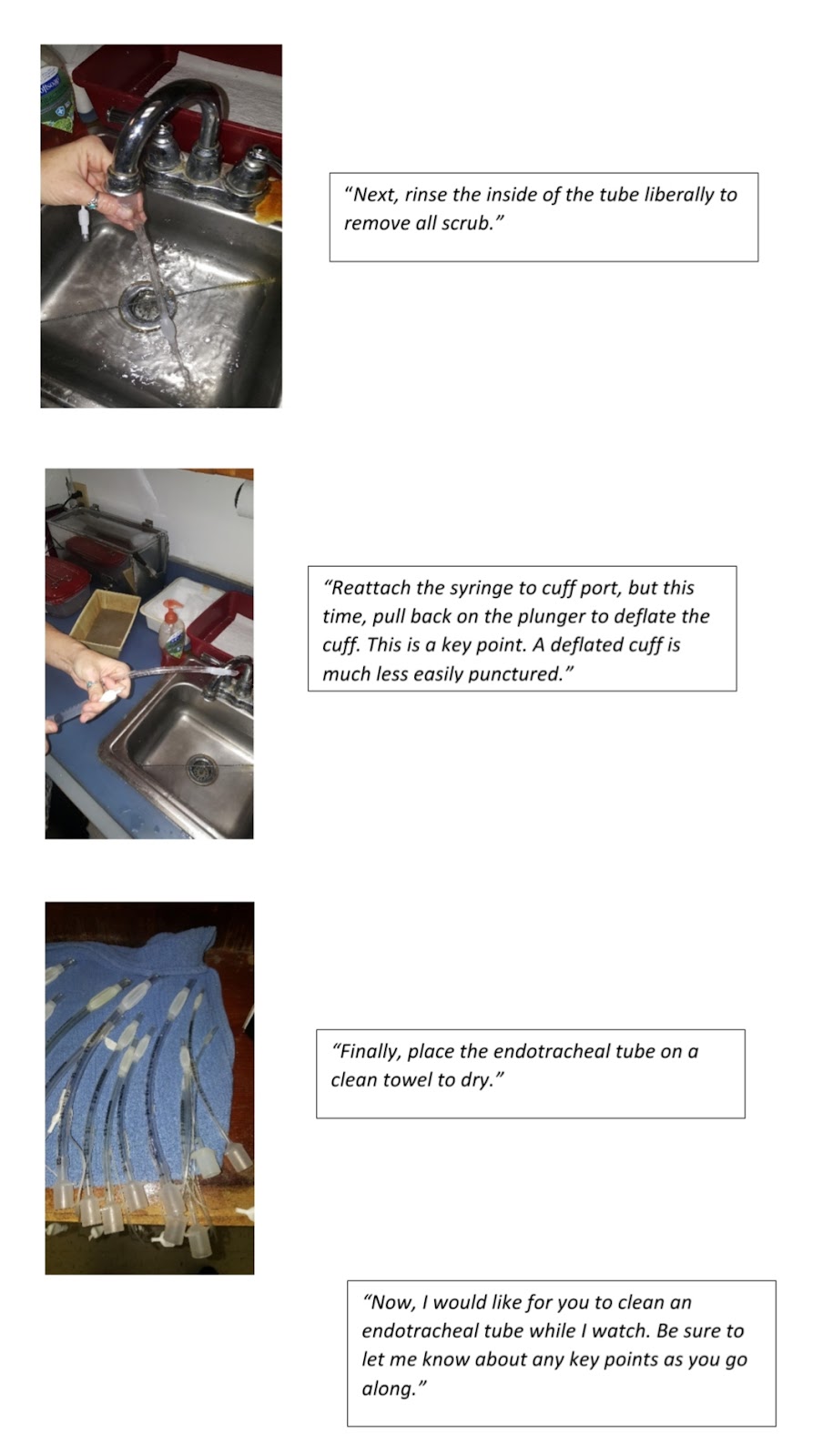
“Respect for people” is a fundamental principle of Lean and a major difference between Lean and the Western, more Taylor-esque, concept of management. The Western tradition, which is still a part of educating MBAs, is that management knows best and makes all decisions. Workers are to do as they are told.
There is a quotation by Henry Ford to the effect that the problem with workers is that, not only do they come with two hands, but also, unfortunately, a brain. Workers are not hired to think! Lean is much less of a top-down style of management, and much more of a bottom-up, inclusive, transparent style. This is not to say, however, that the asylum is completely handed over to the patients.
This core belief influences the relationship Toyota managers and supervisors have with their workers. For Toyota, management’s primary function is more of teacher and less of an organizational police officer. We now understand, more than before, that the focus for Toyota is not just on building quality automobiles, it is primarily focused on the building of problem solving, innovative, respected employees who, then, build quality, innovative automobiles.
Dealing with people from a basis of respect permeates every aspect of Lean.
Systems thinking:
Have you ever had the feeling that, at some point at work, you were damned if you do and damned if you don't? Or, that you are in the the middle of a Catch-22 situation? If so, you have probably been the victim of poor systems or systems colliding with each other. That feeling of not being in control or at the mercy of things bigger than you.
Thinking in terms of systems means understanding that the systems at work within an organization are management and leadership designed. Systems are the responsibility of management. Workers have no authority to control or overhaul systems. They are at the mercy of the systems. Yet, many times, staff are blamed for what is, in actuality, a system design problem.
For example, if a job is not being performed well, systems thinking would first consider such things as does the worker know that job is their responsibility, has the worker been trained adequately, does the worker have the necessary tools, and does the worker have timely and correct information?
Systems thinking is more respectful. It recognizes that systems should be investigated when problems occur before blaming people.
The Lean definition of value is that which the client wants and is willing to pay for, and that improves the health status of the pet, without defects and waste along the way. Our clients get exactly what they want, when want it and in the amount wanted. They pay for only value adding services. The concept of defining value from the client’s point of view shows respect for them.
Variance and overburdening:
Lean understands that large variances in workload can be the source of difficulties and overburden our staff. Lean suggests work loads try to be leveled as much as possible. Being watchful for the overburdening of staff comes from respect.
The Just-In-Time (JIT) concept is the procurement and delivery of resources, (whether that be drugs, supplies, access to diagnostic equipment and information, or patients, doctors and staff) just exactly where it is needed, just exactly when it is needed, and just exactly in the amount needed. Nothing more and nothing less.
With respect to staff and personnel, the Just-In-Time idea is based, in part, on recognizing and respecting the unique value of everyone's time and skills; to only use them when, where and in the amount needed.
Standardized work is the mutually agreed upon method to do or handle a certain process or situation that helps insure quality, timeliness and safety, and gets everyone on the same page working in the same direction. It shows respect by involving staff in its definition and formal writing, and by eliminating ambiguity and the anxiety it causes to workers that come from policy and process chaos.
Kaizen is a Japanese word that can be translated to mean “good change,” “change for the better,” or “continuous improvement.”
While improvements can be large, time consuming and expensive major changes, the most common are the small, daily, quick, inexpensive ideas submitted by staff that improve quality, flow, safety, value to the client and make work life just a little easier. Staff are on the frontline of our practices every minute of every day. They know, better than anyone, where and what the problems are. And, they probably know better how to remedy them than we owners and managers do.
Kaizen shows respect by recognizing what an asset our staff is, and allowing them to partner with us in improving the practice; to be engaged and be part of the solutions, rather than always being blamed for the problems.
5S projects are the physical cleaning and reorganization of a particular room or area of the practice. It helps the staff to work with less clutter, frustration and confusion on a daily basis. It creates better flow within the hospital which increase value to clients; all ways of showing respect.
Go to gemba
"Genchi Genbutsu" (go and see) means that whenever there is a problem found, all relevant stakeholders (management and staff) should go to where the problem occurs (the “gemba”) and solve it together. It shows respect by recognizing that staff have valuable input to the situation.
On the Toyota production line, workers are provided with a mechanism to sound an alarm and ask for help anytime they find it necessary. The line stops if the problem is not quickly resolved. Toyota trains and trusts its employees to use the Andon cord when an issue of quality or safety is in question. It shows respect by creating a culture of safety and trust for anyone to speak up, even if they think there might possibly be an inkling of a concern.
It is my humble opinion that if veterinary staffs knew about and understood the Lean mindset and its worker-centric (and client-centric) philosophy, there would be such a grassroots revolution within the profession that owners, managers and corporation leadership would have no choice but to start thinking Lean within their practices. Maybe, we could start now and circumvent all of the "bloodshed."


Thanks for stopping by. Please share this blog with your contacts! And, let me know if you have any questions, comments or post ideas.